-asmeeta khadka
Back in school, I wanted to earn my own money after getting into college. I liked the idea of not having to rely on my parents for every tiny little thing that I wanted to buy for myself. But once I got into college, I realized how difficult it is to find jobs that meet your study schedule and, even more difficult, when you do not know what you are good at.
Like many students, I turned to YouTube for answers. Content writing seemed like something I could do, as I did not have any other skills. So I made a LinkedIn account, wrote a bio, posted occasionally, and sent connection requests. It didn’t take long to learn that simply being on LinkedIn doesn’t magically bring opportunities. Still, I kept updating my profile and sharing small milestones from my academic and professional life.
Over time, I built a decent network. I did tutoring, volunteered for short projects, and stayed active in college events. I was earning enough to cover my basic expenses. Eventually, my posts started reaching people. And a few months ago, one of those people reached out.
He introduced himself as a Chartered Accountant with an Upwork profile and a Facebook page with 23K followers. He simply texted me that he had some work for me and wanted to have an online meeting. His profile looked legitimate, but something about the message made me cautious. I asked him what the work involved, but he insisted it would be “easier to explain in a meeting.”
I wasn’t working at the time, so because of desperation, I agreed to a short WhatsApp video call. The man on the screen was older, with an Arabic accent. He wanted to help me manage his Facebook page as he was ‘super busy’ and emphasized that he earned in “USD,” as if that alone should impress me. I didn’t commit immediately. Instead, I researched social media management rates, prepared a PDF outlining the scope of work, and shared my expected fee in our next meeting.
His reaction was immediate: “You’re charging too much.”
He insisted the work was simple and wouldn’t take much time. When I asked what he was willing to pay, the number he gave was shockingly low. I politely declined.
But he didn’t stop. He kept texting, trying to negotiate, insisting he “needed help.” The amount he eventually offered wasn’t much, but it would have covered my commuting and lunch expenses. Still, something about his persistence felt off. I declined again and went to sleep.
The next morning, I woke up to missed calls and messages:
“You were not like this before.
What changed?
I am looking at your behaviour.”
That was the moment everything shifted. I had spoken to this man twice. He did not know me. I had no obligation to him. And yet he felt entitled to question my decisions, my tone, my “behaviour.” I blocked him on LinkedIn and WhatsApp immediately.
What shocked me wasn’t just the message; it was the feeling it left behind. A sense of being watched, evaluated, and judged for simply saying no. A sense that my boundaries were somehow negotiable. Would he have insisted the way he did to me if I were another man? Would he feel obliged to point out ‘his behaviour’ for walking out? This got me thinking about the subtle ways one’s boundaries are negated with ‘Insist a little, she will come around’.

And the truth is, this isn’t an isolated experience. Many women in digital spaces, freelancers, creators, and students face clients who blur professional boundaries, who treat “no” as a challenge, and who assume authority over women they barely know. Digital platforms may feel modern and progressive, but the biases we carry into them are very old.
For days, I questioned myself.
Did my profile picture make me look too approachable?
Did he target me because I’m a woman?
Would he have insisted this much if I were a man?
These thoughts stayed with me longer than the incident itself. But they also taught me something important: money is never worth your peace of mind, and a boundary is not rude; it’s necessary. I’m more confident now in saying no, in trusting my instincts, and in recognising red flags early.
Being a woman in the digital workspace means navigating opportunities and risks at the same time. It means being visible, but also being cautious. It means learning to advocate for yourself in spaces that weren’t designed with your safety in mind.
This experience didn’t stop me from pursuing my ambitions. If anything, it fueled me to say ‘no’ often, to not put myself in a position of discomfort for the sake of keeping up with another’s idea of a ‘good woman’. What I didn’t expect was that even online, even in “professional” spaces, women still carry the burden of managing other people’s entitlement.
About Author
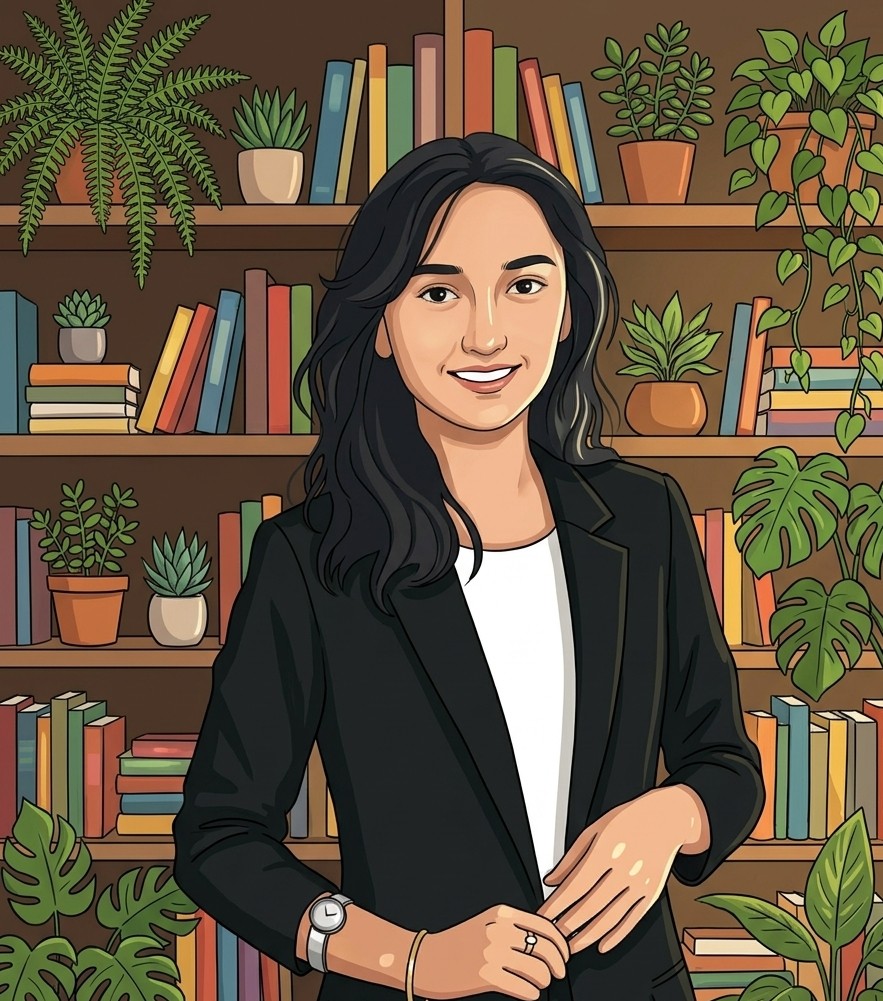
Asmeeta Khadka is training to be a lawyer. She loves sunlight and good food.