
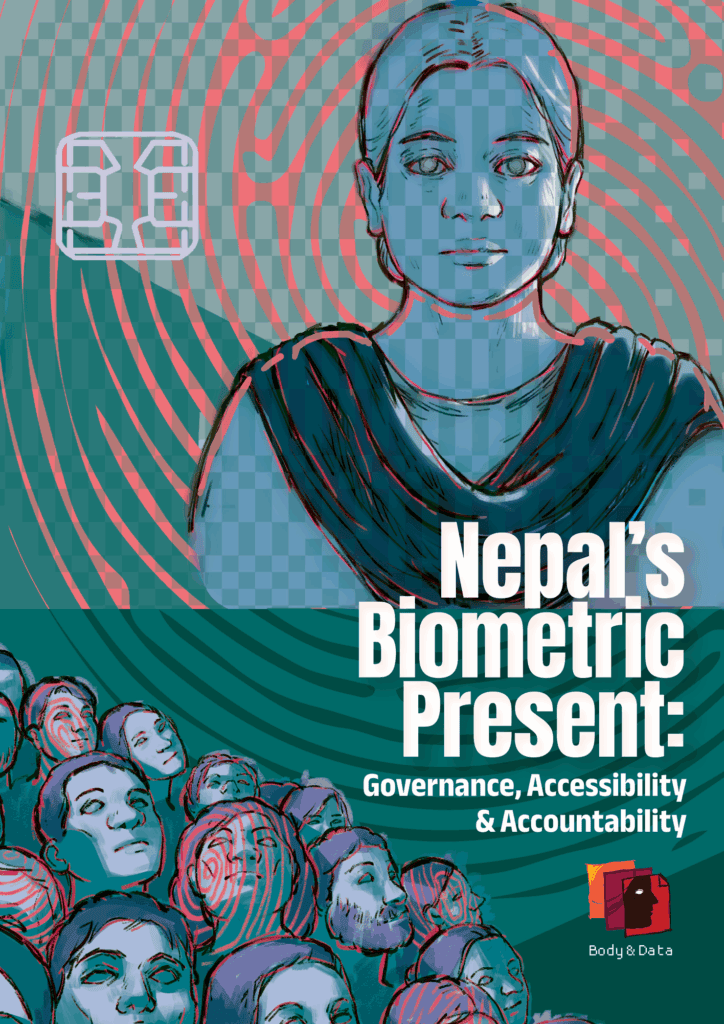
The NID card has been integrated into existing bureaucratic procedures, but the transition toward “smart” governance has lacked systematic planning and strategic direction. This, along with a traditional administrative mindset, has hindered the enrollment process, which continues to face challenges such as weak digital infrastructure, poor connectivity, uneven internet access, and frequent power outages. These issues have affected citizens, especially women, the poor, and marginalized groups. Although existing policies acknowledge the physical barriers faced by persons with disabilities, in practice, they continue to encounter discriminatory administrative practices.