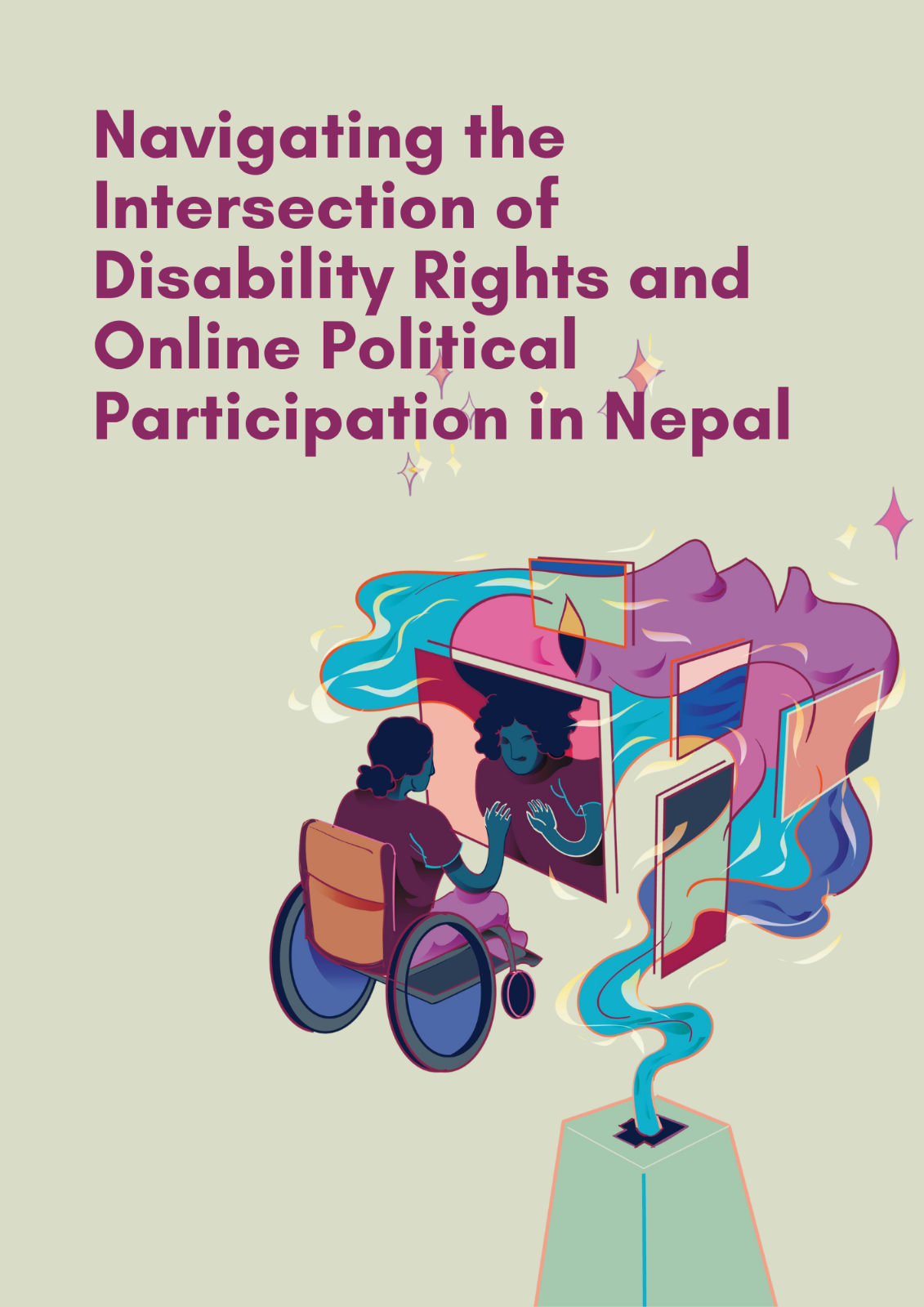
Navigating the Intersection of Disability Rights and Political Participation in Nepal
Whether the processes adopted, decisions made, and negotiations concluded in this process were truly representative of the aspirations and demands of the entire Gen-Z population is a question that perhaps no single member of this demographic can answer. Throughout this process, marginalised youth with little to no access to the internet, and persons with disabilities in particular, were specifically excluded from this digital “revolution”.
Against this context, this research undertakes inclusion and representation as the core framework to assess the movement, from its inception to its conclusion. In particular, it assesses how persons with disabilities perceived and navigated the technocratic Gen-Z revolution to equip us with the tools required to navigate such crises more inclusively and meaningfully in the future. Hence, this paper anchors the status of political participation in the experiences and strategies used by PWDs to navigate the September movement and its aftermath.
AUTHORS
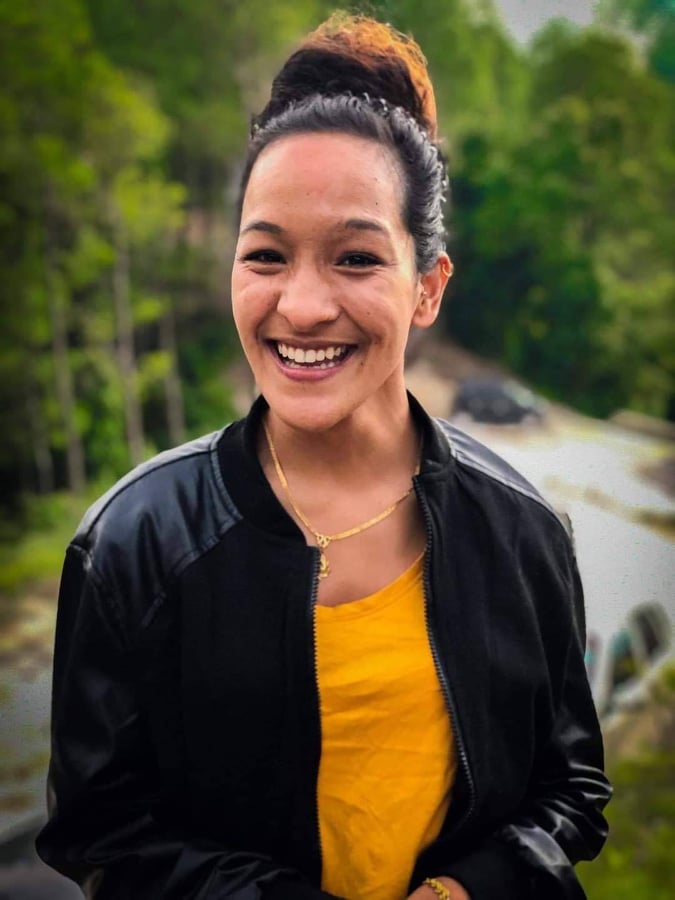
Rewati brings extensive experience in organizational leadership and public policy, serving as President of the All in Foundation, former Vice-President of Shiksha Nepal, and a core team member on the National Curriculum Framework Revision Committee 2083. Having previously contributed to Kathmandu Metropolitan City’s education policy team, she is also the Captain of the Nepal National Cerebral Palsy Football Team, championing accessibility across policy, inclusive education, and sports for all.