
Digital Safety
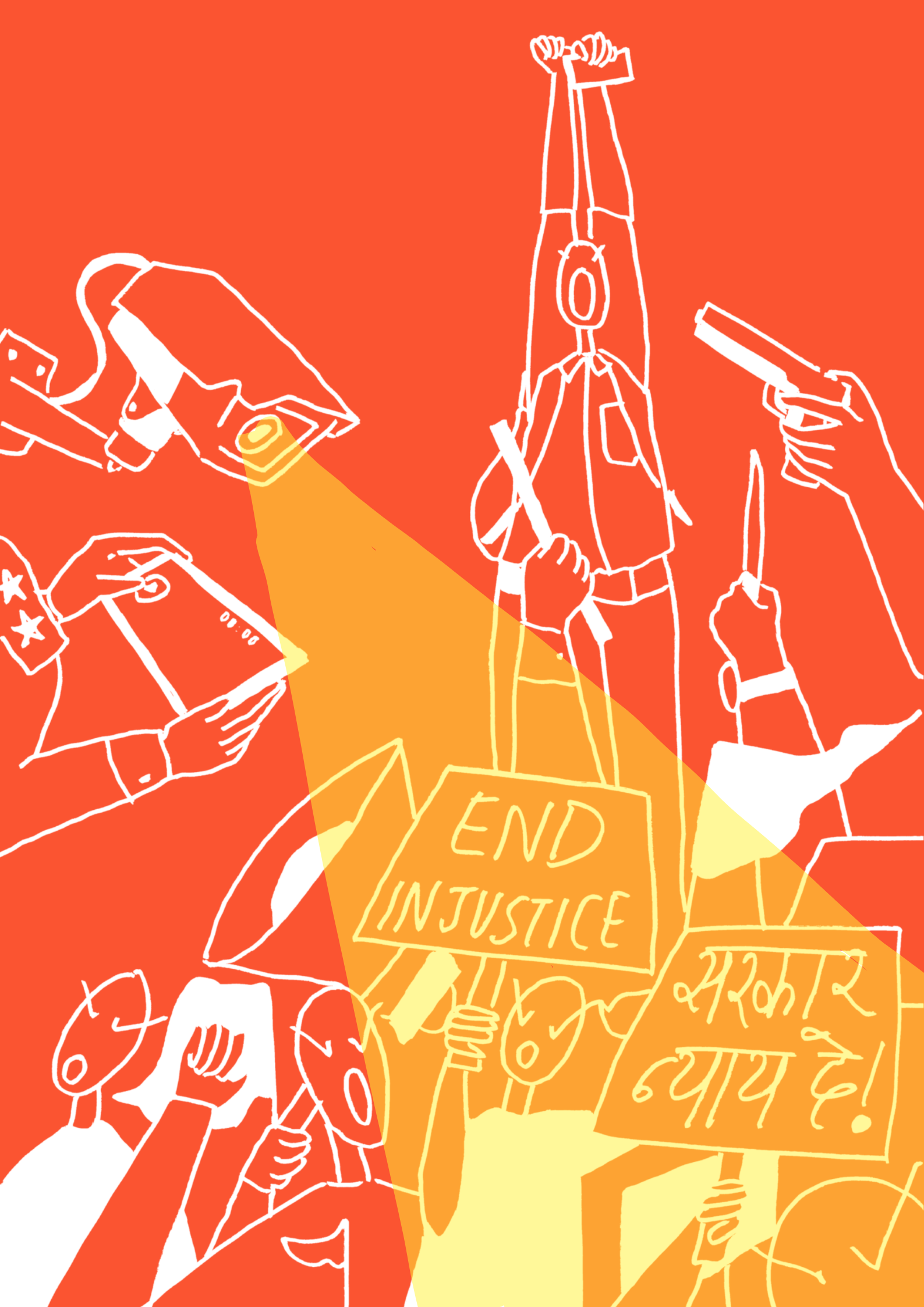
For many social movements, digital platforms have become spaces where organizing happens. Activists use them to coordinate action, mobilize supporters, document rights violations, and shape public narratives, often in real time and often where physical space for dissent is shrinking. But the same platforms that make this organizing possible also make it visible. Every coordination effort leaves a trace and these traces have become a primary entry point through which the state watches, maps, and, increasingly, moves against activists. How safe an activist is online shapes what they can risk doing offline. Yet access to that organizing space is itself unequal, which means exposure to its risks is unequal too. Online spaces can never be politically neutral as it is shaped from the outset by who gets to be present in it, and on what terms.
At Body & Data, our work is grounded in the belief that the internet must be a free, open, and just space where women, queer people, and marginalized groups can exercise their autonomy without fear and that belief shapes how we understand digital safety itself. We do not see digital safety as a set of technical fixes but as an extension of physical reality and civic space. Digital safety is the right to exist, speak, organize, and resist without fear.
Law Regulating FOE and Privacy
Explore the foundational legal safeguards shaping our online lives. This brochure offers a clear, preliminary overview of the laws governing freedom of expression and privacy, serving as a gateway to our broader, ongoing research on digital safety.
A Critical Analysis of Laws Regulating Freedom of Expression & Privacy
This is a preliminary overview of the laws regulating freedom of expression and privacy. A comprehensive report will be published at a later stage as part of our ongoing research. This brief analysis aims to highlight major loopholes and overarching narratives within these legal provisions.